
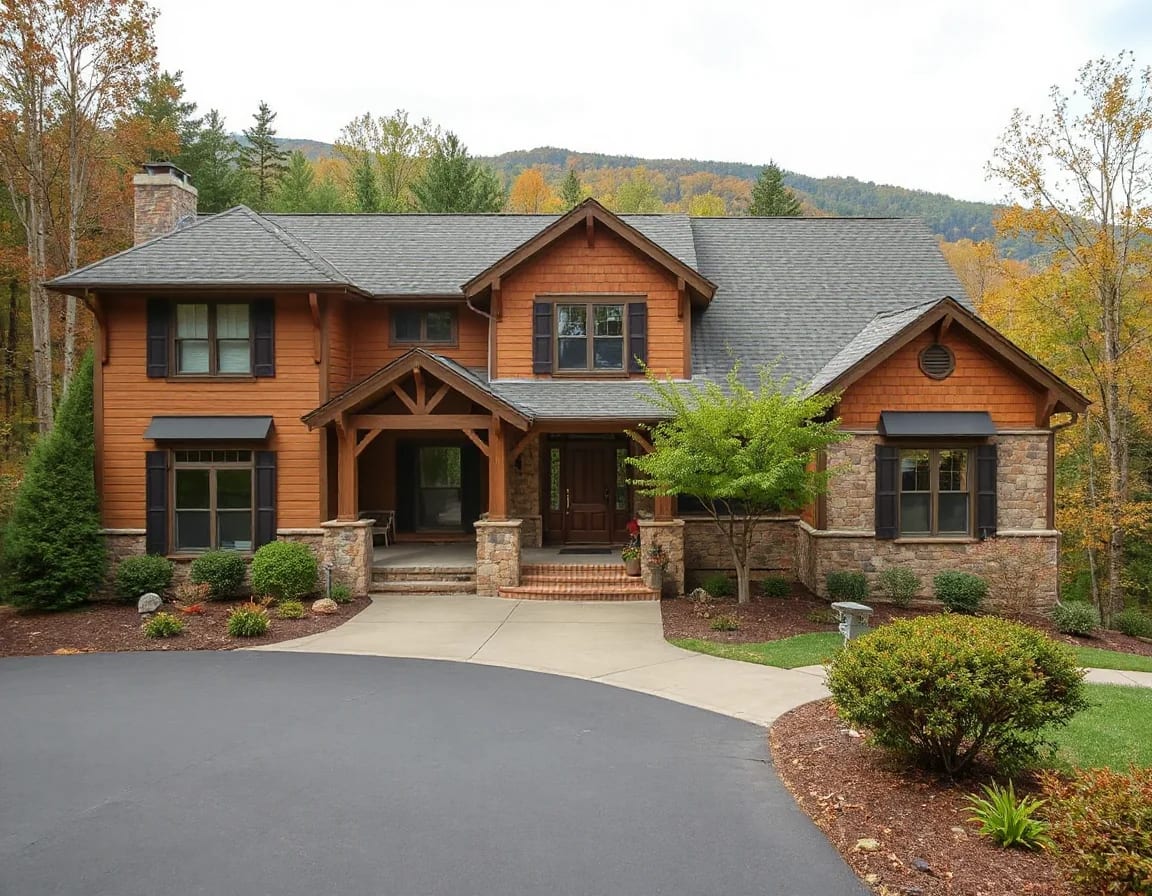
A home valuation is most useful when it is built around the details buyers can actually see, compare, and value—not a single automated estimate. Before requesting one in Asheville, gather the updates, documents, and local context that help turn a broad price range into a practical decision-making tool for your next move.
Start With the Purpose Behind the Number
A valuation can answer very different questions. You may be considering a sale in the near future, weighing whether to renovate, planning a refinance, reviewing an estate, or simply trying to understand how your property fits into the current Asheville market. Being clear about your goal helps shape the conversation and the level of detail you need.
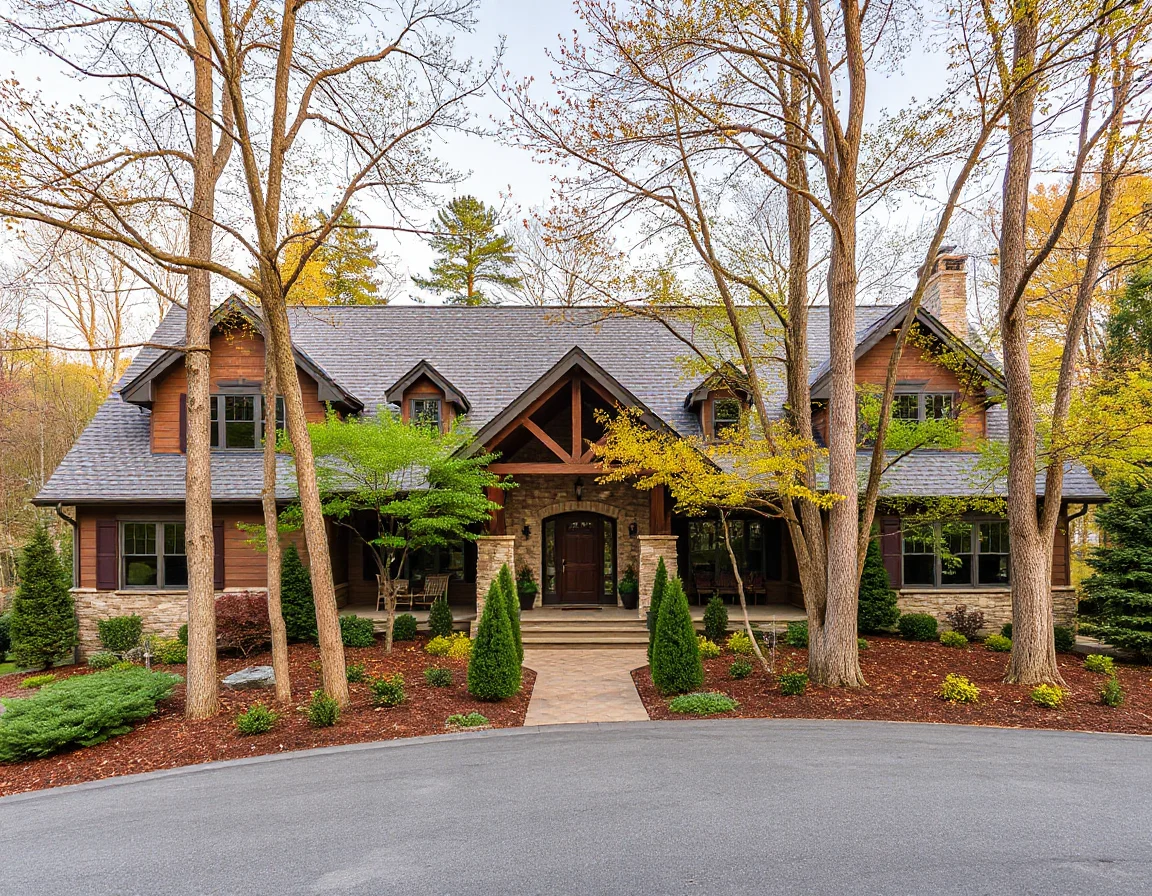
A comparative market analysis is not an appraisal. An appraisal is typically prepared for a lender or another formal purpose using a defined scope of work. A real estate valuation discussion, by contrast, usually examines recent comparable sales, active competition, pending transactions when available, property condition, and market response in order to develop a thoughtful listing strategy or planning range.
That distinction matters in a varied market such as Asheville. A home’s value can be influenced by more than bedroom count and square footage. Elevation, road access, lot usability, architectural style, view orientation, outdoor living areas, renovation quality, and proximity to everyday destinations can all affect how buyers compare one property with another. Two homes with similar public-record details may receive very different attention once their actual condition and setting are considered.
Before you request a valuation, decide whether you are looking for a broad planning estimate or preparing for a possible listing. If a sale may be on the horizon, share your preferred timing. A value opinion for a home expected to reach the market soon may focus more closely on current competition and presentation, while a longer-range conversation can explore improvements, maintenance priorities, and changing market conditions.
The most useful valuation is a range supported by current comparable properties and a clear explanation of what could move your home toward either end of that range.
Gather the Details That Public Records Miss
Online valuation tools can be a convenient starting point, but they may not reflect the improvements, maintenance, or property-specific features that influence a buyer’s decision. A short list of updates gives a local real estate professional a much stronger foundation for reviewing your home.
Make note of the year and scope of major work, including roof replacement, HVAC updates, plumbing or electrical improvements, windows, kitchen and bath renovations, flooring, drainage work, decks, patios, and landscaping. Receipts are helpful, but perfection is not required. Even a simple timeline of improvements can clarify what has changed since the property last sold.
It is also worth identifying features that do not fit neatly into an online form. Perhaps there is a finished lower level, a flexible workspace, a screened porch, a workshop, a garage with storage, a fenced garden area, or a usable outdoor gathering space. Describe the feature accurately and share any relevant permits or documentation when available. The goal is not to assign a value to every project in isolation; it is to show the home’s complete condition and utility.
For condominium or townhome owners, collect the items that help explain the ownership structure. Monthly dues, what those dues cover, rental policies, parking arrangements, planned assessments, and recently completed community improvements may all be relevant to the market conversation. For homes with wells, septic systems, shared roads, private drives, or other specialized elements, provide the available records and maintenance history.
Understand How Local Comparisons Are Chosen
Good comparable sales are similar in ways that matter to a buyer, not merely close on a map. In Asheville and across Western North Carolina, a nearby property may still have a very different setting, terrain, road experience, condition level, or access to services. The best analysis typically considers several recent sales and explains where meaningful adjustments in expectations may be needed.
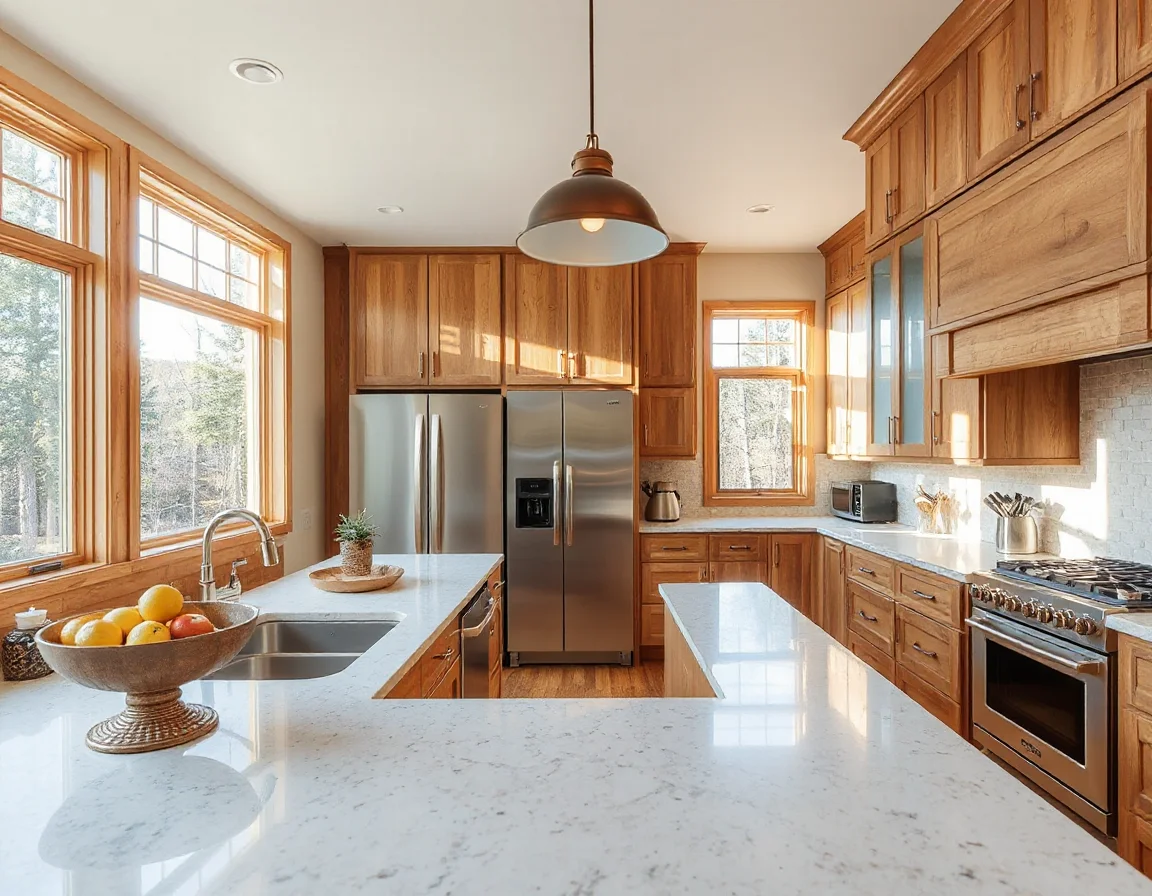
Ask how the comparison set was selected. Recent closed sales establish what purchasers have recently paid, while active listings show the choices currently competing for attention. Pending listings can also offer useful context, although final terms are not always public until closing. A strong valuation discusses these categories together rather than treating one automated number as a final answer.
It helps to separate features that are easy to measure from those that are more subjective. Finished square footage, lot size, bedroom count, and age are important starting points. Natural light, floor-plan flow, renovation consistency, privacy, mountain or city views, and the condition of exterior spaces can be equally influential but require an in-person perspective. Photographs and a walk-through often reveal details that a data-only estimate cannot capture.
Market timing matters as well. Inventory, interest rates, seasonal listing activity, and buyer preferences can change the pace of a transaction. A valuation prepared months ago may still be informative, but it should be refreshed before a listing decision is made. Reviewing today’s competition is especially important if several similar homes have recently come to market.
Comparable properties should tell a story: what has sold, what is available now, and what features make your home meaningfully distinct within that group.
Prepare for an Honest Walk-Through Conversation
A useful valuation is not a pass-or-fail inspection. It is an opportunity to look at the property through the lens of current market expectations. Be candid about deferred maintenance, older systems, water-management concerns, known repairs, or projects that were started but not completed. These details do not automatically prevent a successful sale; they help create a realistic plan and reduce surprises later.
During a walk-through, consider asking which improvements are likely to support presentation and which ones may not be necessary before listing. Fresh paint, decluttering, minor repairs, lighting adjustments, and exterior cleanup can sometimes make a meaningful difference in how a home is experienced. Larger renovations require more caution. The expense of a project does not always translate directly into a matching increase in market value, especially when a buyer may have different style preferences.
You can also ask about likely buyer questions. For example, a prospective purchaser may want to know about utility costs, internet availability, road maintenance, homeowners association documents, permits, drainage, or the age of major components. Preparing straightforward information in advance can make the listing process more organized and help buyers evaluate the property with confidence.
Use the Valuation as a Plan, Not Just a Price
The strongest outcome is not simply a suggested list price. It is a practical roadmap that connects property condition, local competition, preparation priorities, marketing timing, and your own goals. For one seller, that may mean moving ahead promptly with a focused preparation list. For another, it may mean waiting while addressing a few projects or monitoring nearby sales.
HomeSource Realty brings a people-centered approach to Asheville and Western North Carolina real estate, with attention to the individual details behind each property and each client’s timeline. A productive valuation conversation should leave you with clearer questions, more useful local context, and a grounded sense of your options—whether selling is next month, next year, or simply something you are beginning to consider.
If you are evaluating a possible move, bring your updates, your questions, and your preferred timeline to the conversation. A well-prepared valuation can replace guesswork with a clear starting point and help you make your next decision with greater confidence.