
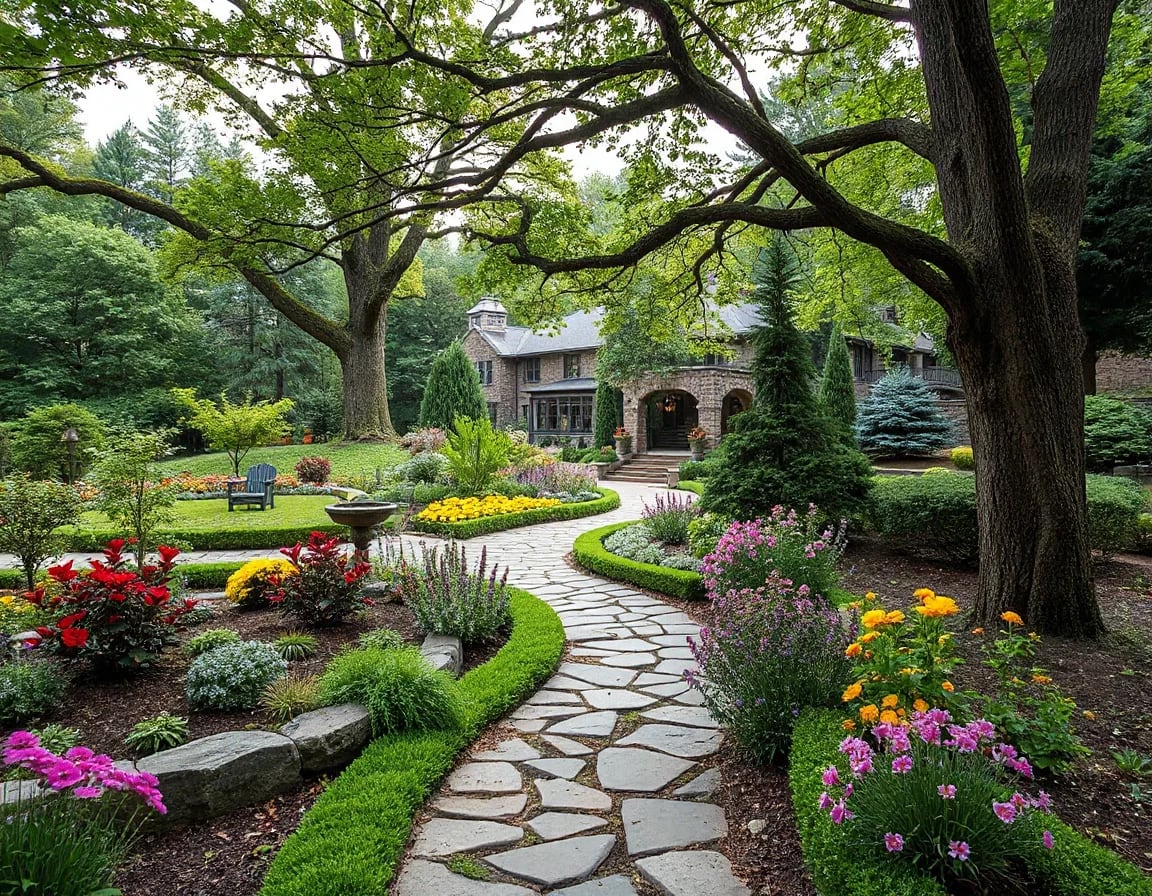
Biltmore Forest’s established trees and layered landscaping can be a meaningful part of a home’s first impression—and a thoughtful sales strategy can protect that appeal. From pruning and photography to buyer access and pre-listing repairs, the goal is to present the property clearly while treating its woodland setting as an asset rather than an obstacle.
Begin With the Landscape Buyers Will Notice First
In Biltmore Forest, a home’s setting often contributes as much to its visual presence as the architecture itself. Mature canopy, gently winding drives, stone walls, established planting beds, and filtered natural light can create a memorable arrival experience. Before listing, take time to view the property from the street, the driveway, the entry, and the main indoor living spaces. This simple walk-through helps identify where the landscape enhances the home—and where overgrowth, deferred maintenance, or unclear pathways may distract from it.

Start with practical maintenance that improves definition without making the grounds look overly altered. Clear fallen branches, refresh mulch where needed, edge visible beds, and remove plants that block walkways, house numbers, exterior lighting, or key architectural details. Selective pruning can open sightlines to porches, windows, and rooflines, but it is wise to work with qualified landscape or tree professionals when mature trees are involved. Their guidance can help protect tree health while improving the appearance of the grounds.
Pay particular attention to the transition from public-facing areas to more private outdoor spaces. A prospective buyer should be able to understand where to park, how to approach the entrance, and how patios, terraces, decks, and garden areas connect to the home. Low-voltage path lighting, a swept entry, and clearly maintained steps can make a substantial difference during an evening showing or a cloudy mountain day.
The most effective woodland preparation is usually selective, not dramatic: reveal the home’s best lines, clarify outdoor routes, and preserve the sense of established natural surroundings.
It is also helpful to document recent work. Keep invoices or notes for tree care, drainage improvements, roof maintenance, exterior painting, irrigation service, and landscape upgrades. Buyers often appreciate understanding how a property has been cared for, especially when its setting includes mature vegetation and long-term maintenance considerations.
Use Light, Access, and Photography to Tell a Complete Story
Woodland properties can photograph beautifully, but timing matters. Dense foliage, deep shade, and bright sun can create strong contrast that hides exterior details or makes interiors feel darker than they are. Schedule listing photography when the light is soft and the home is well prepared. Exterior photos may work best in the morning or late afternoon, while indoor images benefit from clean windows, open window treatments, and a coordinated plan for lights and natural light.
Rather than treating the trees as a backdrop alone, show how the setting functions. Photograph an inviting terrace beneath the canopy, a window view with seasonal color, or a sitting area that demonstrates the relationship between indoor and outdoor space. If there are gardens, stonework, water features, or mature specimen plantings, include them as supporting details. The objective is not to oversell a particular season; it is to help buyers recognize the property’s year-round character and maintenance opportunities.
Access deserves equal attention. Remove low branches that interfere with driveway use, confirm that exterior steps and handrails are in sound condition, and make sure guests can locate the front door without uncertainty. If a property has gates, long drives, or multiple outdoor entrances, provide straightforward showing instructions through the listing process. A smooth arrival allows buyers to focus on the home instead of logistics.
Request a personalized home valuation
Address Practical Questions Before They Become Obstacles
A well-prepared seller anticipates the questions that a wooded setting can raise. Buyers may ask about drainage patterns, leaf management, exterior maintenance, retaining walls, tree condition, privacy plantings, and the use of outdoor areas during different times of year. Clear, factual information is more valuable than vague assurances. Gather relevant records, note recent improvements, and be ready to explain how you use and maintain the property.
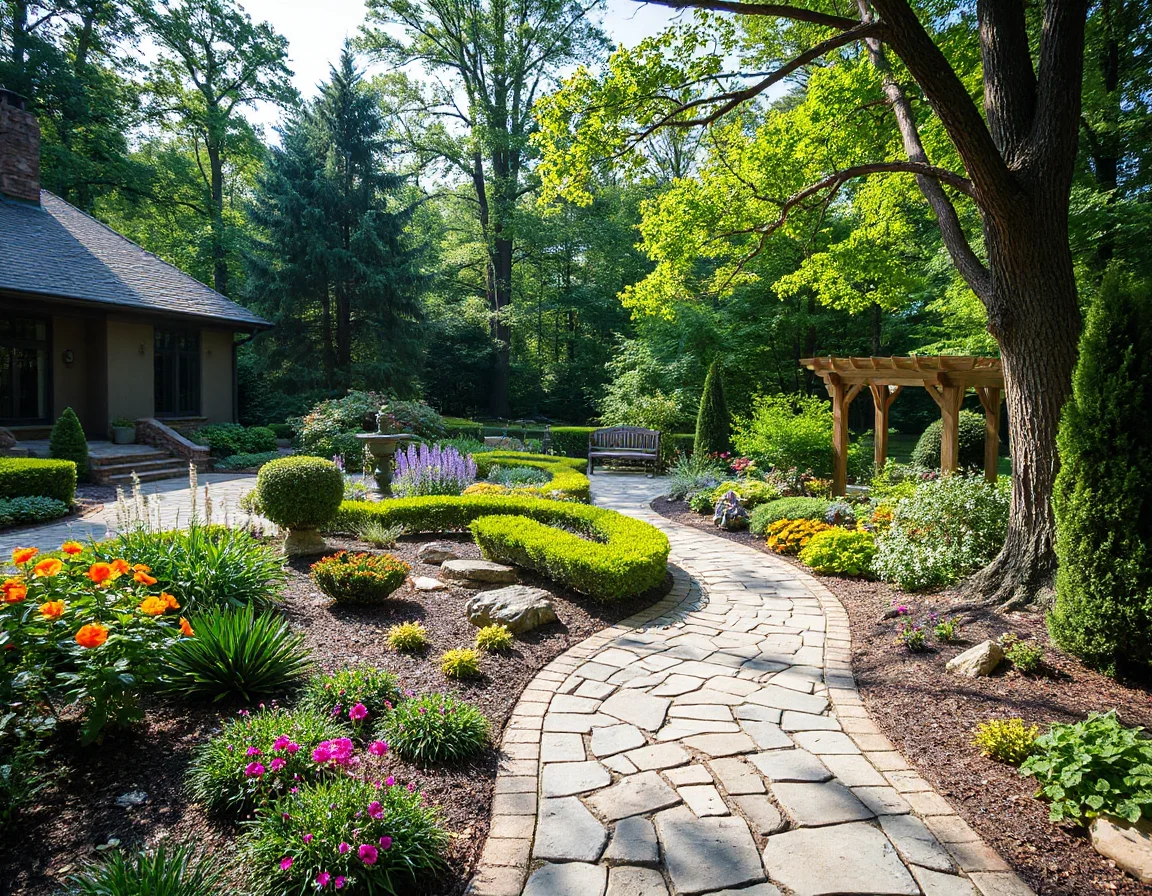
Drainage is one area where preparation can be especially useful. Walk the property after rainfall if possible, clear obvious debris from gutters and drains, and address visible erosion or pooling before marketing begins. If you have completed drainage work, retaining-wall maintenance, or grading improvements, share the documentation with your real estate professional. This information can add context during inspections and help buyers understand the steps already taken to care for the site.
For major tree work, additions, fencing, hardscaping, or exterior changes, verify current requirements with the appropriate local authorities and any applicable property association before moving forward. Rules and approvals can change, and a quick confirmation before listing helps avoid preventable surprises. It also ensures that updates are described accurately in marketing materials and seller disclosures.
Inside the home, use furnishings and lighting to reinforce the connection to the landscape. Keep view corridors open where possible, avoid placing bulky furniture in front of key windows, and use a restrained palette that lets natural light and outdoor views carry visual interest. A woodland property need not feel dim; thoughtfully arranged rooms can feel grounded, calm, and connected to the site.
Price the Home as a Whole, Not as a Collection of Features
Mature landscaping can influence perceived value, but pricing should still be rooted in current market data, condition, location, lot characteristics, comparable sales, and the home’s overall presentation. It is important not to assume that every landscape improvement translates dollar-for-dollar into sale price. Instead, consider how the setting contributes to buyer interest, showing experience, and the property’s competitive position among available homes.
A local market review can help distinguish between improvements that support marketability and projects that are unlikely to change the result. In some cases, a targeted cleanup, minor exterior repair, and professional photography will accomplish more than a large pre-sale renovation. In others, addressing deferred maintenance before going live can prevent buyers from focusing on a single visible concern.
A mature landscape has the greatest selling power when it is paired with a home that feels easy to understand: clear access, well-maintained exterior elements, documented care, and photography that captures the setting honestly.
HomeSource Realty approaches this process with a local perspective and a people-centered focus. A personalized plan can account for the home’s architecture, lot conditions, timing goals, and the details that make the property distinct. Sellers benefit from a strategy that respects both the practical demands of preparing a home and the visual qualities that make Biltmore Forest memorable.
Explore Biltmore Forest listings
Preserve the Setting, Then Let It Support the Sale
The best preparation does not try to turn a woodland property into something it is not. It highlights the useful, inviting, and enduring qualities already present: shade at the right time of day, established gardens, outdoor gathering areas, natural views, and the visual rhythm created by mature trees. By addressing maintenance, documenting improvements, and presenting the home with care, sellers can help buyers see both the beauty of the landscape and the home’s day-to-day potential. That balanced approach gives the property room to make a strong first impression while remaining true to its setting.