
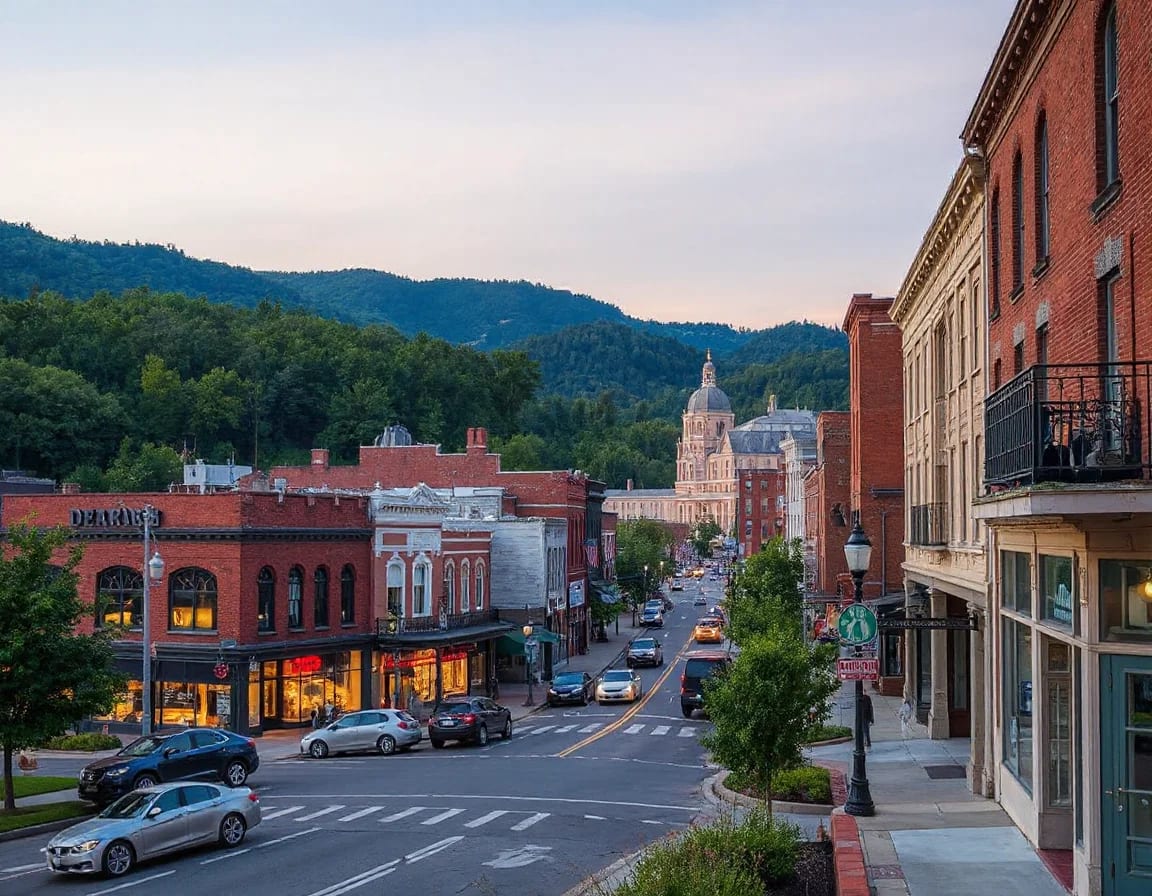
Moving to the Asheville area from another state is easier when the search begins with daily routines rather than a pin on a map. Compare access to the places and activities that matter to you, learn how each area feels at different times of day, and give yourself room to weigh homes against the surrounding setting. A thoughtful neighborhood plan can make an out-of-state move feel far more grounded before you arrive.
Start With the Life You Want to Build
Choosing an Asheville-area neighborhood from afar can feel like trying to assemble a puzzle without seeing the picture on the box. Listing photos reveal a lot about a home, but they cannot fully show how it feels to run an errand, head out for a trail, meet a friend for coffee, or settle in after a workday. The most useful starting point is not a list of neighborhoods; it is a clear description of your own weekly rhythm.

Begin by writing down the places you expect to visit often: an office, airport, grocery options, healthcare providers, recreation, arts venues, outdoor routes, or a preferred village center. Then decide which matters most: a shorter drive, walkable access, a larger lot, proximity to mountain scenery, or a particular home style. There is no universally “best” location in Western North Carolina, but there may be an area that fits your priorities more closely than another.
It also helps to distinguish between a destination you enjoy visiting and a setting that supports your day-to-day needs. A lively central district may be appealing for an afternoon, while a quieter residential pocket or a nearby town may better align with the space, parking, views, or pace you want at home. Likewise, a home farther from the city center may offer a different relationship to roads, elevation, and services. Knowing your tradeoffs before you start touring keeps the search focused.
For an out-of-state move, choose three non-negotiables and three flexible preferences before comparing listings. That simple list makes it easier to evaluate neighborhoods consistently across a large region.
Asheville itself offers distinct settings across its central neighborhoods and surrounding corridors, while nearby communities such as Black Mountain, Weaverville, Arden, and Biltmore Forest bring their own patterns of housing, access, and amenities. Looking beyond one familiar name can create more options without losing sight of the lifestyle details that brought you to the region.
Read the Map as a Daily-Travel Tool
Western North Carolina is defined by topography, and that matters more than it might in a flatter market. A route that appears short on a map can include winding roads, elevation changes, seasonal weather considerations, or a different traffic pattern than expected. Before falling in love with a listing, look at the practical routes to your key destinations at the times you would normally travel.
Ask for context on road access, driveway grade, parking arrangements, and the distance to routine services. If a home is near a mountain road, it is reasonable to understand how the route feels in rain, leaf season, or winter conditions. For properties outside city limits, buyers may also want to review utilities, internet availability, septic systems, wells, road maintenance, and any homeowner association documents. These details are not glamorous, but they can shape comfort and planning long after closing day.
A virtual tour is valuable, especially early in the process, but it works best when paired with specific questions. Request a walk-through of the approach to the property, a view from outdoor spaces, and footage of nearby intersections or shared roads when appropriate. If possible, schedule an in-person visit that leaves room to explore several areas rather than rushing between showings.
Explore Asheville-area communities
Compare Homes and Neighborhoods in the Same Way
Once you identify a few promising locations, create a repeatable comparison system. Consider home type, lot characteristics, renovation needs, property taxes, estimated utility costs, association requirements, and proximity to the amenities on your list. A consistent checklist helps prevent one striking kitchen or dramatic view from overshadowing questions that deserve equal attention.
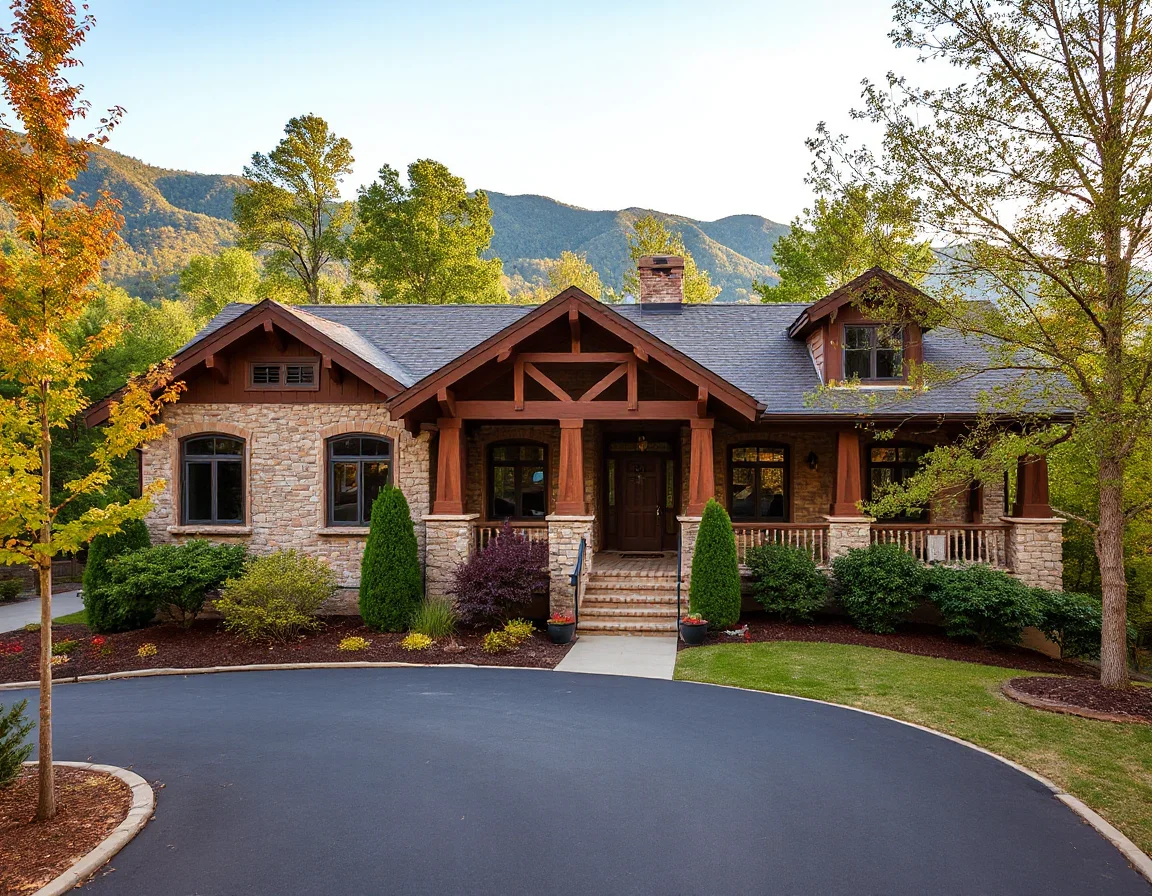
Housing across the Asheville area can range from historic homes near established streets to newer construction, condos, townhomes, cabins, and properties with acreage. Each category can bring different maintenance expectations and inspection considerations. Older homes may have character and central locations, while newer homes may offer more current systems and layouts; neither is automatically the right choice. The goal is to understand the condition, costs, and responsibilities attached to the specific property.
For buyers interested in schools or educational services, use official district sources and direct conversations with the institutions themselves for current boundaries, programs, transportation, and enrollment information. Boundaries and policies can change, so relying on primary sources is more useful than broad neighborhood assumptions. The same approach applies to transit service, municipal services, zoning questions, and future development: verify the facts relevant to the address under consideration.
Market conditions are another reason to avoid making decisions on impressions alone. Inventory and pricing can differ significantly by property type and location, even within a short drive. Reviewing comparable active, pending, and sold properties helps clarify whether a home is positioned competitively and whether a particular area supports your goals.
A property’s address can influence everything from road maintenance to utilities and tax jurisdiction. Build time into your due diligence for the details that are difficult to see in listing photography.
Use a Short Visit Strategically
When travel is possible, a well-planned scouting visit can answer questions that online research cannot. Instead of trying to see every available home, reserve time for a few representative neighborhoods at different points in the day. Notice the landscape, street layout, nearby gathering spaces, noise levels, parking, and the ease of getting to the destinations on your priority list.
Visit a trailhead, walk through a public park, stop in a village center, and drive the routes you would use most frequently. Asheville’s arts, dining, and outdoor recreation options are major draws, but access can feel different depending on where you are based. An itinerary built around your actual routine provides a clearer picture than a single afternoon focused only on showings.
If you cannot visit before making an offer, work with a local professional who can provide careful, address-specific context and coordinate inspections, video tours, and documentation. Personalized guidance is particularly useful when comparing homes across multiple towns or when the move requires a tighter timeline. Clear communication matters: share what you are uncertain about, and ask for direct answers rather than assuming a feature or route will work the same way it did in your previous location.
Talk with HomeSource Realty about your move
Make the Decision With Confidence, Not Urgency
The Asheville area rewards curiosity. A home search may begin with a view, a job change, or a desire to be closer to the Blue Ridge Mountains, then become more specific as you learn how the region fits your routine. Give yourself permission to refine the search as new information arrives. The right neighborhood decision is usually the one supported by practical research, clear priorities, and a realistic understanding of the home itself.
By focusing on access, property details, local amenities, and the rhythm of everyday life, out-of-state buyers can move beyond broad impressions and make a choice with more confidence. A thoughtful plan turns a long-distance search into a manageable process—and helps ensure that the home you choose feels connected to the way you want to live in Western North Carolina.