
A mountain address is about more than a beautiful view. These seven house-hunting clues can help you compare Asheville homes with a clearer eye, from the way a road feels after rain to the real daily cost of maintaining a sloped lot. Use them to turn a promising showing into a practical, well-informed decision.
Start With the Route, Not Just the Listing
Asheville offers an extraordinary mix of in-town neighborhoods, wooded hillsides, valley settings, and nearby communities throughout Western North Carolina. That variety is a major part of the appeal, but it also means two homes with similar square footage can deliver very different day-to-day experiences. A smart search begins by looking beyond photos and considering how the property functions in every season.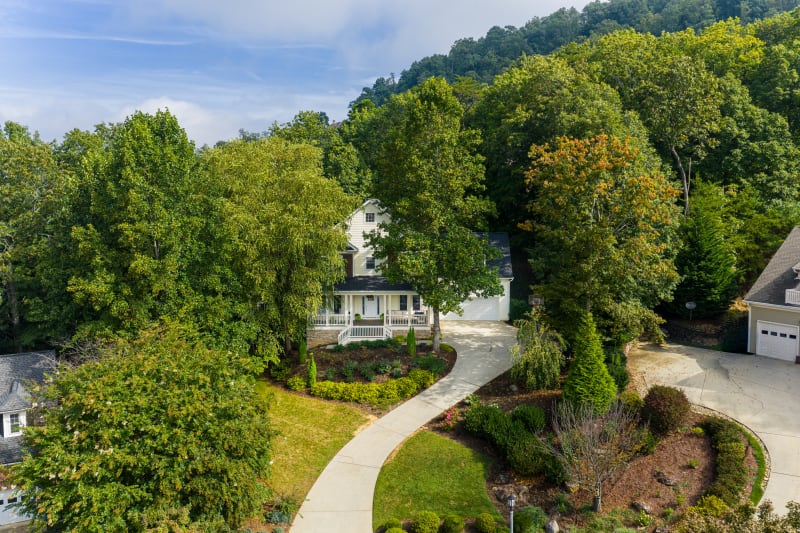
Clue one: drive the route at more than one time of day. Mapping software is useful, but it cannot fully show the feel of a steep curve, the visibility at an intersection, road surface changes, or how long a trip takes when traffic patterns shift. Drive from the home to the places you expect to visit regularly, such as grocery options, medical services, outdoor recreation, cultural venues, or your workplace. If possible, make a second visit after dark or during wet weather.
Clue two: look closely at access and parking. In mountain terrain, a driveway can be as important as a kitchen layout. Notice the grade, turning radius, drainage, available parking, and whether the approach feels manageable for the vehicles you use. Ask which roads are publicly maintained, which are private, and whether an association or road agreement handles upkeep. These details are not automatically problems; they are simply part of understanding the property’s practical rhythm.
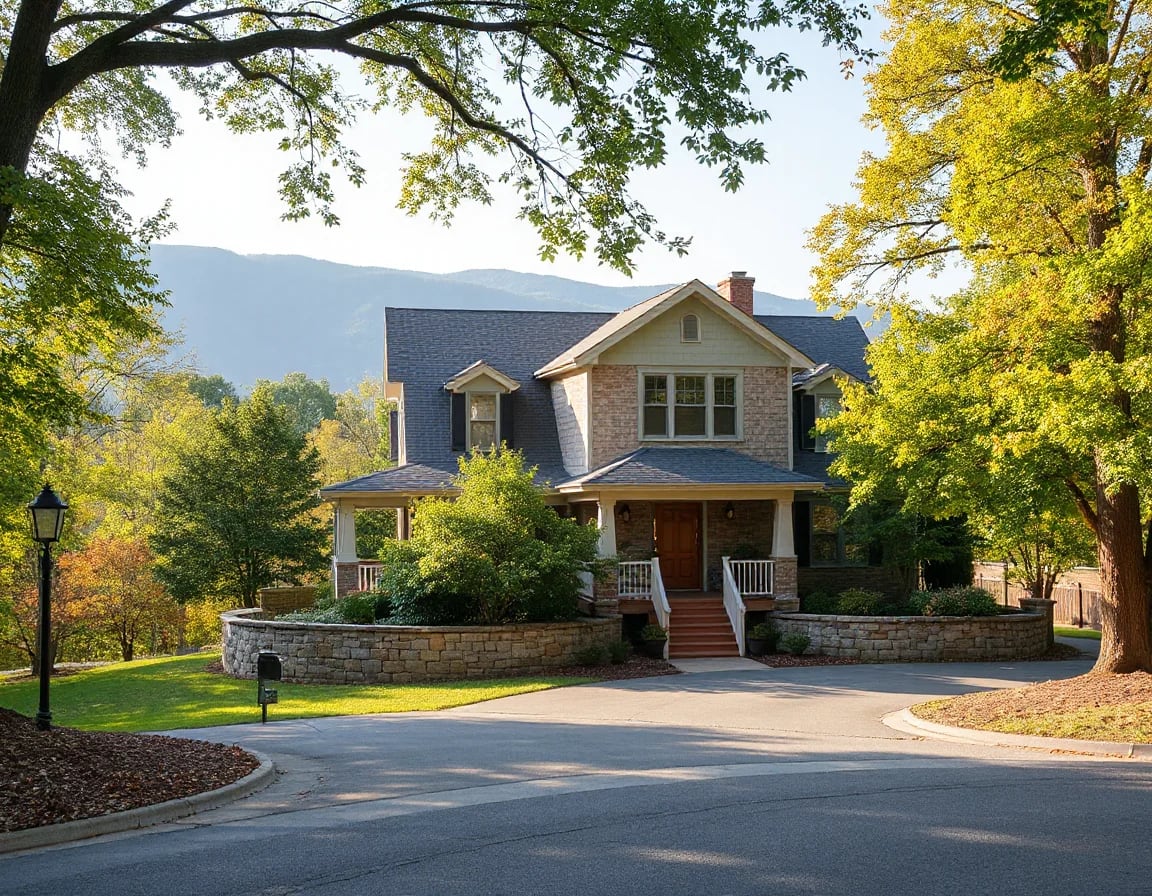
A beautiful hillside setting deserves a practical test: walk the driveway, stand where vehicles would turn around, and picture the route during a heavy rain rather than relying only on a sunny-day showing.
Clue three: let the land tell its story. Asheville’s terrain can create memorable views, privacy between homes, and dramatic garden possibilities. It can also bring retaining walls, stairs, wooded buffers, creeks, drainage channels, and areas that need regular attention. Look for signs of standing water, erosion, gutter discharge near the foundation, or downed limbs around the house. During due diligence, a qualified inspector and, when appropriate, specialists can help clarify the condition of drainage systems, septic components, retaining structures, roofs, and other site-specific features.
Read the Home for Mountain Conditions
Clue four: inspect the orientation before falling for the view. Light changes quickly across slopes and tree cover. A deck that feels bright in one season may be deeply shaded in another, while a west-facing room may get strong afternoon sun. Spend a few minutes on the porch, near major windows, and around the yard. Think about where morning light lands, how breezes move through the property, and whether nearby trees frame a view or require ongoing maintenance.
Clue five: ask how the house manages water, air, and heat. Weather in Western North Carolina can move from humid summer afternoons to chilly winter mornings, often with substantial rainfall throughout the year. Pay attention to roof age, gutter placement, grading, crawlspace ventilation, insulation, fireplace or wood-stove documentation, HVAC service history, and window condition. A home does not need to be brand-new to be comfortable and efficient, but knowing which systems have been updated helps you plan for ownership with fewer surprises.
Older homes can bring appealing craftsmanship, established landscaping, and distinctive floor plans. Newer construction may offer updated systems and contemporary layouts. Neither category is automatically the better choice. The useful question is whether the home’s condition, maintenance record, and future project list align with your budget, timeline, and appetite for hands-on care.
Match the Setting to Your Everyday Priorities
Clue six: measure the convenience that matters to you. Asheville is known for its arts, food, live music, independent businesses, greenways, and access to the Blue Ridge Mountains. Yet “close by” can mean different things depending on terrain and road connections. Create a short list of your own priorities: perhaps trail access, a library, a public park, healthcare, a coworking space, a farmers market, or a preferred route toward another part of the region. Then verify actual distances and travel times from each home you are considering.

It is also worth reviewing the property’s immediate surroundings with curiosity rather than assumptions. Listen for road noise, check cell and internet availability, observe the amount of outdoor lighting, and learn about utility providers. If a home is part of a homeowners association, request the governing documents, current fees, meeting notes when available, and rules affecting exterior changes, short-term rentals, parking, pets, or landscape work. These records can clarify how the community is managed and what future ownership may involve.
Clue seven: make room for the whole cost of ownership. Purchase price is only one piece of the picture. Include property taxes, insurance, utility estimates, association dues where applicable, road or landscape maintenance, and anticipated repairs in your comparison. A home with a larger lot or more complex terrain may offer outdoor space and scenery, while also needing more time and budget for upkeep. Seeing the full picture makes it easier to choose with confidence instead of stretching after closing.
For buyers comparing several properties, a simple worksheet can be surprisingly effective. Rate each home on access, condition, land maintenance, location logistics, monthly carrying costs, and the features that make you genuinely excited to return there. The goal is not to find a flawless home. It is to identify the tradeoffs you understand and are prepared to make.
Let Due Diligence Turn Interest Into Confidence
In a market shaped by varied elevations, construction eras, and property types, local guidance matters. HomeSource Realty approaches the process with a people-centered focus: listening carefully, answering direct questions, and helping buyers make sense of the details that can be easy to miss in a quick showing. A thoughtful strategy gives you time to appreciate the mountain setting while still evaluating the facts.
When a home checks the boxes that matter most, move forward with curiosity and solid professional advice. Review disclosures, ask for repair and service documentation, schedule appropriate inspections, and use your due-diligence window purposefully. Asheville living can offer a remarkable blend of natural beauty and city energy; the right fit is the property that supports the way you want to use your time, space, and budget every day.